Some operations are quick, almost routine, finished before the patient’s family has worked through a second cup of coffee in the waiting room. Others are long, intricate and careful, the surgical equivalent of rebuilding a junction while traffic still needs to flow. Surgery on the pancreas belongs firmly in the second group.
Families researching pancreatic cancer surgery in Singapore hospitals provide often discover two surprising things at once. The operation can offer the best chance of long-term control for suitable patients, yet only some patients are suitable. Understanding why is the key to making sense of the whole journey.
A Crowded Neighbourhood
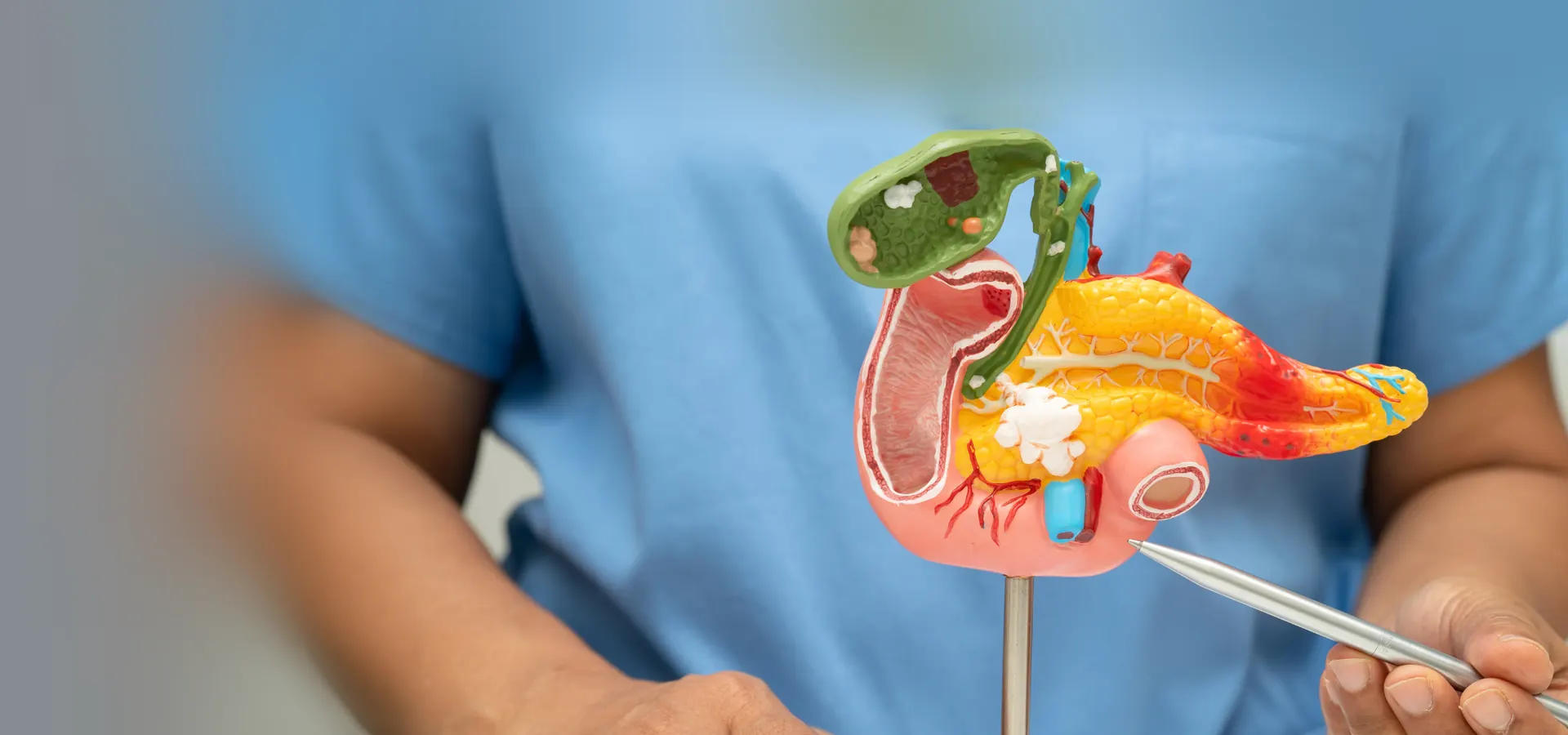
The pancreas lives in one of the busiest corners of the body. Its head nestles into the curve of the small intestine. The bile duct runs through it. Major blood vessels that feed the gut and liver pass right behind it.
A tumour in this neighbourhood is rarely alone with its problems. If it wraps around one of those major vessels, removing it safely becomes much harder, sometimes impossible. That relationship with the blood vessels, more than the size of the tumour, often decides whether surgery is an option.
Three Kinds of Situation
Doctors often sort pancreatic tumours into rough groups after scans.
- Resectable, meaning the tumour looks removable with surgery
- Borderline, meaning it touches nearby vessels and may become removable after treatment shrinks it
- Not suitable for surgery, meaning the tumour has spread or is too entwined with vital structures
The middle group is where much of the modern progress lies. Chemotherapy given before surgery can sometimes shrink a borderline tumour enough to make an operation possible.

The Whipple Procedure
For tumours in the head of the pancreas, the most common operation is known as the Whipple procedure. The surgeon removes the head of the pancreas, the first part of the small intestine, the gallbladder and part of the bile duct. Then comes the delicate part: reconnecting the remaining pancreas, bile duct and stomach to the intestine so that food and digestive juices can flow again.
It is a long operation, often several hours. Recovery takes time, with a hospital stay usually measured in days to weeks rather than a single night.
Tumours in the body or tail of the pancreas are removed with a different operation, which often takes the spleen as well.
Why Experience Counts Here
This is an area of surgery where experience makes a real difference. Teams that perform these operations regularly are better at selecting the right patients, preventing complications and managing them quickly when they do occur.
A fair question to ask any surgeon is how often they and their team perform pancreatic surgery. Another is whether your case will be discussed at a multidisciplinary meeting where surgeons, oncologists and radiologists look at the scans together.
Life After the Operation
The pancreas helps digest food and control blood sugar. After part of it is removed, some patients need enzyme capsules with meals to help digestion. Some develop diabetes or find existing diabetes harder to control. A dietitian can be a quiet hero of recovery, helping with weight, energy and comfortable eating.
Many patients also receive chemotherapy after surgery to reduce the chance of the cancer returning. Recovery is a season, not a week.
Choosing With Clear Eyes
Pancreatic surgery is not a decision anyone wants to face. But knowing how surgeons think about it helps families ask better questions and feel less lost in the corridors of a hospital.
Ask where the tumour sits in relation to the blood vessels. Ask whether treatment before surgery could help. Ask about experience and team review. The answers form a map, and with a good map, even the most crowded neighbourhood in the body becomes a little easier to navigate.