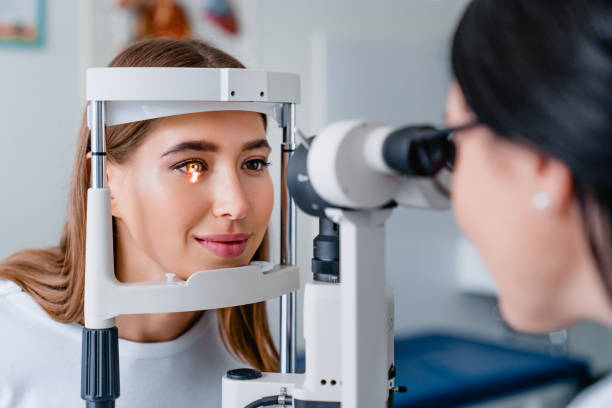
Cataracts often enter the conversation gradually. Night driving becomes harder. Bright lights seem harsher. Reading needs more illumination. Because the changes can happen slowly, people sometimes adapt for months or years before asking whether anything has actually changed inside the eye.
When those changes begin interfering with daily tasks, discussing cataract treatment in Singapore can help clarify whether cataracts are responsible and whether treatment should be considered. The important question is not simply whether a cataract exists. It is whether the clouding of the lens is causing enough functional difficulty to make intervention worthwhile.
Cataracts Are A Functional Problem
A cataract is often discussed as an anatomical finding, but patients experience it through everyday tasks. One person may struggle with headlights at night. Another may need brighter light to read. Someone else may notice colours looking duller than before.
That is why the most useful measure is not just what the eye looks like during examination. Ask what your vision is stopping you from doing comfortably. If you have stopped driving at night, avoid reading small print or need increasing amounts of light for routine tasks, those changes provide valuable context.
New Glasses Have Limits
One common response to worsening vision is to update the glasses prescription. Sometimes that works. The difficulty arises when repeated prescription changes produce less improvement than expected.
Imagine someone who has changed glasses twice in eighteen months but still finds night driving uncomfortable. The issue may no longer be purely refractive. A useful decision rule is this: if stronger or updated glasses no longer restore the clarity you expect, it may be time to investigate whether another part of the visual system is responsible.

Both Eyes May Progress Differently
Cataracts do not always affect both eyes equally. That difference can be surprisingly easy to miss because the clearer eye compensates for the weaker one.
Try covering each eye separately when reading or looking at something across the room. If one eye produces significantly more glare, blur or loss of contrast, mention that difference during your assessment. This simple comparison cannot diagnose a cataract. What it can do is give the doctor a more precise description of how your vision has changed.
Surgery Is About Timing
People sometimes ask whether a cataract is “bad enough” for surgery as though there were one universal threshold. The more practical question is whether the cataract is interfering enough with daily life to justify treatment.
Consider:
- whether driving has become difficult
- whether glare affects night activities
- whether reading requires much more light
- whether work tasks are becoming harder
- whether the affected eye is limiting your usual activities
Someone with the same degree of lens clouding may make a different decision depending on their lifestyle.
A person who drives frequently at night may reach the treatment discussion sooner than someone whose daily activities are barely affected.
Assessment Comes Before Procedure
Cataract surgery is not simply a matter of deciding to remove a cloudy lens. The eye needs to be assessed first. The evaluation may consider your vision, the cataract itself and other eye conditions that could affect the expected result. This matters because removing a cataract cannot correct every possible cause of reduced vision. A costly mistake is assuming that every visual complaint will disappear after surgery. The better question is what proportion of your current difficulty is actually explained by the cataract. That makes expectations more realistic.
Recovery Needs Planning Too
People naturally focus on the operation itself. But the days afterwards matter as well. You may need to plan transport, time away from certain activities and follow up appointments. If the two eyes require treatment at different times, that can also affect work and daily routines. Before deciding, ask what the early recovery period usually involves and what restrictions apply to your particular case.
Planning around those details reduces practical stress after the procedure. Cataract treatment is easiest to understand when you stop thinking only about whether a cataract is present. The more useful question is whether it is now interfering with the life you want to live. If glasses are no longer giving you the improvement they once did and routine tasks are becoming harder, an assessment can help determine whether the lens is the reason and what the next step should be.