Somewhere in Singapore, right now, someone is staring suspiciously at a public toilet seat. They have just been told they have genital warts, and their mind is racing back through every gym changing room, hotel towel, and shared cup of the past year, looking for a culprit. The toilet seat, sadly for the plot, is innocent.
Genital warts come with a surprising amount of mythology, and most of it causes more distress than the warts themselves. People blame objects, blame partners and blame themselves, often for things that are simply not true. If you are reading about genital warts treatment in Singapore, it helps to clear away the myths first, because what you believe about how you got them shapes how you handle treatment, your partner and the weeks ahead.
How the virus actually travels
Genital warts are caused by certain types of HPV, the human papillomavirus. The NHS explains that the virus spreads through skin-to-skin contact, including vaginal and anal sex and sharing sex toys. Oral sex can pass it on, although this is rare.
Two details surprise many people. First, penetrative sex is not needed for the virus to spread, since close skin contact is enough. Second, the virus can be passed on even when no warts are visible, which is why condoms and other barrier methods offer only limited protection.
Myths worth retiring
Because warts feel so personal, people often reach for explanations that are not supported by the evidence. According to the NHS, you cannot get genital warts from:
- Kissing.
- Sharing towels.
- Sharing cutlery or cups.
- Toilet seats.
So the gym towel, the hawker centre cup and the public toilet can all be crossed off the list of suspects. That may not be comforting in the moment, but it does bring the focus back to what actually matters, which is treatment and honest conversation.

The timeline that saves relationships
Here is the fact that most deserves to be better known. The NHS notes that it can take weeks or even many months for genital warts to appear after infection, and that it may not be possible to find out who you got them from or how long you have had the infection.
This matters enormously for couples. Warts appearing now do not prove that anyone has been unfaithful recently. The virus may have been picked up long before the current relationship began, carried quietly by either partner. Knowing this can turn a frightening accusation into a calmer conversation, which is better for everyone, including your skin.
Treatment and the small print
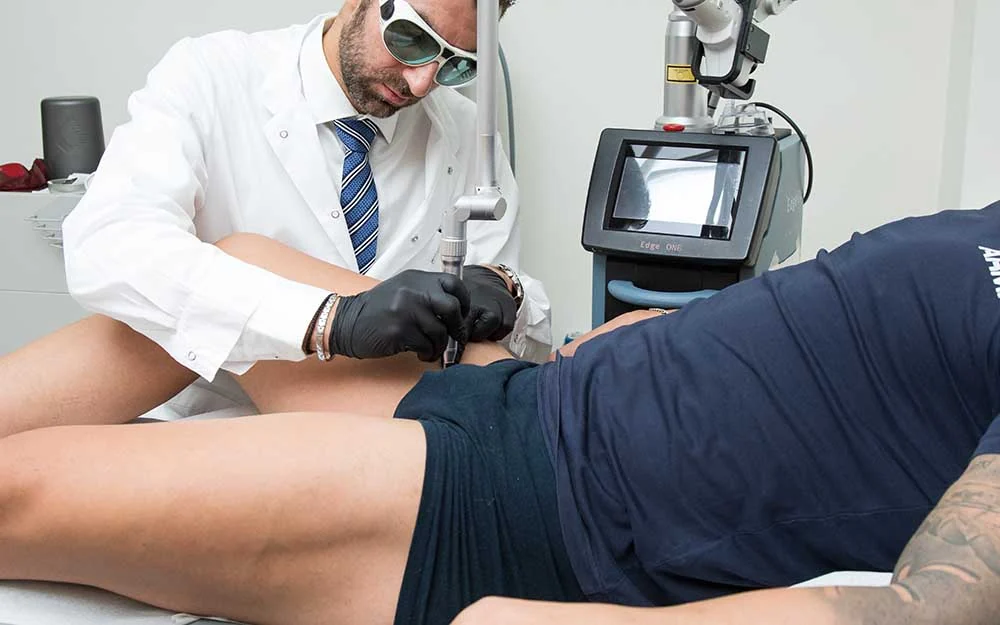
Treatment aims to remove the visible warts, and the choice depends on their size, number and location. Options include creams applied at night and washed off in the morning, solutions applied by a doctor, freezing with liquid nitrogen, burning off with an electrical device after a local anaesthetic, and lasers for larger warts. Some treatments are not suitable during pregnancy, so tell your doctor if you are pregnant or planning to be.
Now for the small print that catches people out. The NHS warns that some creams can weaken condoms and vaginal diaphragms if they come into contact with them. If you are using a cream and relying on either for protection or contraception, ask your doctor or pharmacist about timing and alternatives.
Partners and the weeks ahead
While warts are being treated, the NHS advises not having vaginal, anal or oral sex until they have gone, and always using a condom if you do. This gives the skin time to heal and lowers the chance of passing the virus on.
Your current partners should consider getting checked too, since they may have warts without knowing it. That conversation can feel daunting, but armed with the facts about timing and spread, it can be honest without being an accusation. Many people find that their partner is more understanding than they feared.
A little perspective goes a long way
Genital warts are common, and they are not a judgement on anyone’s character. They are a skin condition caused by a widespread virus, one that can be treated and managed. The embarrassment people feel is often far larger than the medical problem itself.
So the toilet seat is innocent, your partner may well be too, and you are certainly not alone. If you strip away the myths, focus on proper treatment and talk openly with the people involved, genital warts become a manageable chapter rather than a source of lasting shame. This is general information, so please speak to a doctor about your own situation.