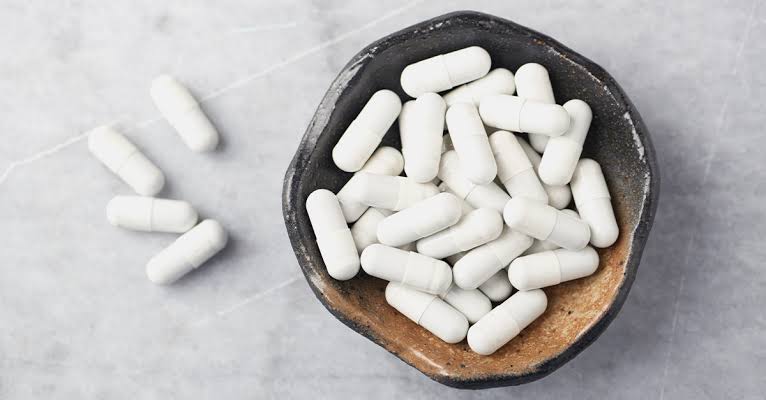
Watching your skin lose its elastic bounce in your thirties feels a lot like noticing latency in a core API. As fibroblast activity slows down by one per cent each year, the protein matrix holding your skin and joints together begins to thin.
Rebuilding that internal scaffolding requires feeding your cells specific peptide blocks rather than relying on creams that cannot penetrate the dermis. If you are researching evidence-based collagen supplements to support your tissues, understanding how hydrolysed peptide molecular weights affect gut absorption gives you a reliable baseline for your routine. Planning early protects your dermal density while keeping joint cartilage resilient.
The Biomechanics of Fibroblast Peptide Signalling
Collagen is not simply an inert filler substance; it is a triple-helix structural protein that makes up eighty per cent of your dry skin weight. When you consume native, unhydrolysed collagen like bone broth or gelatin, your stomach acid breaks the massive three-hundred-thousand-Dalton protein chains into individual amino acids, treating them just like any generic dietary protein.
In contrast, enzymatically hydrolysed collagen peptides consist of short amino acid chains called dipeptides and tripeptides, primarily proline-hydroxyproline. These peptide clusters pass intact across your intestinal barrier into the bloodstream. Once in circulation, they act as signal flags, prompting dermal fibroblasts to synthesise fresh endogenous collagen.
Native Gelatin versus Hydrolysed Peptides
Standard retail health guides often claim that sipping homemade bone broth delivers the exact same skin benefits as laboratory-hydrolysed peptides at a fraction of the cost. The non-obvious trade-off is that bone broth proteins are far too large for your gut to absorb as intact signalling molecules.
Choosing low-molecular-weight hydrolysed peptides trades rustic whole-food aesthetics for cellular bioavailability. Whole collagen proteins break down completely into basic glycine and glutamine, which your liver redirects toward basic metabolic survival tasks rather than your skin. Hydrolysed peptides below three thousand Daltons bypass general protein pools and land directly at target fibroblast receptors, stimulating dermal hyaluronic acid and elastin production reliably.

The Trendy Gummy Collagen Mistake
The most common and expensive mistake consumers make is buying colourful collagen gummies and pre-mixed liquid beauty drinks. People fall into this trap because chewing sweet fruit-flavoured gummies feels far more convenient than stirring unflavoured powder into morning oats.
In reality, a standard gummy holds at most five hundred milligrams of collagen, meaning you would need twenty sugary gummies daily to reach the validated five-gram therapeutic threshold. Furthermore, the glucose and syrups inside gummies trigger glycation. This process bonds sugar molecules directly to existing collagen fibres, turning them brittle and accelerating the wrinkles you want to prevent.
Calculating Real Two Year Regimen Economics
Let us examine a concrete worked example comparing pre-packaged beauty shots against pure hydrolysed peptide powders over twenty-four months. Consider an individual spending 65 pounds monthly on single-serve liquid collagen bottles marketed on social media.
Over two years, buying pre-mixed liquid bottles accumulates 1,560 pounds for a protocol that delivers high sugar and inconsistent peptide grades. In contrast, an evidence-based protocol using pure, third-party-tested hydrolysed bovine or marine collagen powder costs 28 pounds monthly, paired with an 8-pound quarterly vitamin C co-factor supplement, totalling 736 pounds over twenty-four months. Sourcing a pure unflavoured peptide powder upfront saves 824 pounds over two years while delivering twice the active peptide concentration.
Core Daily Habits for Collagen Synthesis
Maximising the biological return on your peptide intake requires establishing simple, repeatable operational habits around your daily nutrition. Providing the necessary enzymatic co-factors ensures newly absorbed peptides form stable triple-helix strands.
Keep these practical operational habits in mind:
- Pair peptide intake with vitamin C: Take fifty to one hundred milligrams of ascorbic acid alongside your peptides to activate the lysyl hydroxylase enzymes essential for collagen cross-linking.
- Maintain consistent daily dosing: Take five to ten grams of hydrolysed peptides every morning for twelve consecutive weeks to allow complete dermal cellular turnover.
- Shield newly formed collagen from ultraviolet rays: Apply broad-spectrum SPF 50 sunscreen daily to prevent matrix metalloproteinase enzymes from breaking down fresh structural fibres.
A Clear Rule for Peptide Selection
You do not need a biochemistry qualification to choose an effective collagen product from a crowded store shelf. You can apply a straightforward decision rule called the Dalton molecular weight check before buying any container.
Turn the package around and examine the nutrition panel and laboratory specifications. If the label lists broad terms like marine collagen or collagen protein without specifying molecular weight, leave it on the shelf, because unmeasured powders usually contain large, poorly absorbed protein fragments. If the manufacturer explicitly verifies an average molecular weight under three thousand Daltons, you have confirmed that the peptides are small enough to pass your intestinal wall intact and trigger genuine dermal regeneration.
Restoring your structural protein matrix is ultimately about choosing an evidence-based delivery system that respects cellular biology. By avoiding sugary gummy traps, understanding peptide signalling physics, and insisting on verified molecular weights, you protect both your skin elasticity and your finances. Approach your daily supplementation with calm discipline, rely on verified biochemical facts, and move forward with quiet confidence in your wellness plan.